Years ago, we heard about new energy efficiency standards related to the standard 40 and 60 watt incandescent light bulbs. While the changes did not happen overnight, over time these bulbs began to disappear from store shelves. Newer and more efficient fluorescent and LED bulbs are your options for indoor lighting and LEDs are now becoming common for outdoor lighting.
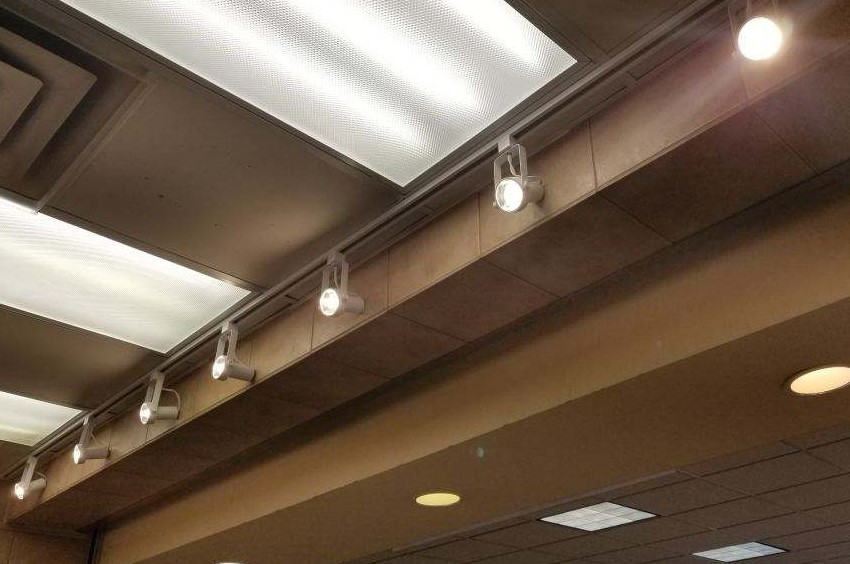
In industrial and commercial facilities, HID (high intensity discharge) technologies like metal halide lamps are also being replaced with fluorescent tubes and now newer LED fixtures. In facilities that changed to fluorescent High Bay fixtures, there are additional options to reuse the existing fixtures while upgrading to more efficient LED technology.
You may already know exactly what to look for when buying new, more energy efficient bulbs, but some of the terminology can be confusing. The incandescent bulb you’ve known is generally classified by wattage. With CFL and LED bulbs, that is not necessarily true in every case, and the wattages you’ve grown accustomed to providing a certain level of light will change. So what will you be looking for when purchasing CFL and LED bulbs? Here are a few of the key things to know:
Wattage: While wattage isn’t as important as it used to be with incandescent bulbs, it is still important to know. After all, the lower the wattage, the more you will save on your energy bill.
Lumens: This is what will tell you how much light the bulb puts out. A 40 watt incandescent bulb puts out around 500 lumens, so to replace it look for 500 lumens on the package of a CFL or LED bulb. Make sure to look at lumens before watts, because LED and CFL bulbs can use the same number of watts but give off different lumens.
Rated Hours: This is perhaps the coolest and most important aspect of the new generation of light bulbs. Traditional incandescent bulbs worked for about a year at most before needing to be replaced. CFL bulbs can last anywhere from a few years to a decade, or between 7,000 and 10,000 hours. LED bulbs can work for 20 years or more, or up to 30,000 hours!
Rated hours is not a warranty, though. It is simply the point at which half the bulbs in a test sample are deemed to have reached the end of their life, either by complete failure or by dimming to below a certain lumen output. Different factors can lower a bulb’s life, such as constantly turning it on and off, and using a non-dimming bulb on a dimmer switch.
Color Temperature: Newer technology allows for bulbs with the same brightness to give off different color temperatures, appearing more yellow, green, blue, or white. While color temperature is somewhat about personal preference, in an industrial or commercial setting, color is important to the look and feel of your business. For example, industrial product assembly areas should have bright white light so that workers can see without straining, while restaurant dining areas should be highlighted with warmer colors to enhance the look of the food.
In energy efficency, CFL and LEDs pay for themselves many times over. Up to 90% of the energy used by an incandescent bulb is given off as heat, not light. So not only are the newer bulbs saving you money on your lighting, they can reduce your air conditioning load.